Showing posts with label 3rd party software integration. Show all posts

Thursday, 14 December 2023

The Future of Application Development for Enterprises: React

Introduction

Mobile applications play an essential role in generating revenue for businesses with an online presence. An application has all the functionality of the company website, but it is more compatible with the mobile device’s hardware and interface. Mobile Application development has helped multiple industries to expand their global footprints.

Application Development

According to a latest industry report, mobile applications were responsible for generating 365 billion U.S. dollars in revenue worldwide, and it is not hard to predict that these numbers will only increase. It is projected that by 2023, mobile applications will rake in business well worth over 935 billion U.S. dollars for companies globally.

As the future of mobile applications is looking very bright, more companies are focusing on developing applications that offer a seamless user interface and meet all their customer’s requirements. However, it is not an easy task to create a successful application.

There are many methods and approaches you can adopt to develop an app. You can choose to build a native application, or you can go for cross-platform app development. You also have the option to choose from different programming languages and frameworks.

Most companies prefer a cross-platform app development framework because it saves a lot of time and resources. One such framework that has grabbed the attention of developers is React or React Native, to be specific. A latest industry report showed that as of 2020, React Native was the 2nd most popular choice among developers for cross-platform app development.

Before we get into why React or React Native is the future of enterprise application development, let us understand a bit about it.


The Key Features Of React Native

React Native is a cross-platform application development framework created by Facebook. It was made an open-source platform in 2015 and has been used by many enterprises ever since. Popular companies like Instagram, Netflix, Flipkart, Tesla, and others have used React Native for cross-platform development.

An application that is used for Android and iOS is called a cross-platform application. React Native makes it very easy to build a cross-platform app. The developer will only have to write the code once, and the app can cater to multiple mobile operating systems.

Even though React Native is a cross-platform app development framework, one of the benefits of developing an app on React Native is that it delivers a user experience akin to a native application. Hence, you can expect a React Native app to run smoothly without any glitches.

Many computer engineers and developers claim that, with time, more and more enterprises will choose React Native for cross-platform application development. Let us dissect why that is the case.


Why Is React Native Future Of Enterprise Application Development?

Here is why React Native will be the future of mobile app development for enterprises:


● Reduces Development Time

One of the things that most companies love is reducing the time to market so that their product can be available as soon as possible. By using React Native, businesses can achieve lower time to market. It enables the developers to build the app in a much faster and efficient way.

The developer using React Native can create an application in 30% less time than the other platforms. As the development time reduces, the production cost also goes down. It is the reason why companies prefer React. It is also the reason many startups are choosing to develop their app on React Native.

Startups always aim to achieve high returns with minimum investments. Another advantage of React Native is its code reusability. 90 % of code written for Android can be used for iOS and vice versa. It again saves much time.


● Cross-Platform Ability

As discussed earlier, React Native is an excellent framework for cross-platform app development. However, at the inception of React, you could have only developed applications for iOS. Later, when Facebook realized the full potential of React, they re-developed the framework that was compatible with Android as well.

React Native allows your team developers to build an application on a single platform. This process eliminates any miscommunication among the team. There are different design specifications for different operating systems. React Native also came up with a solution to this problem by providing file extensions that can be used when needed.


● Native Nature

The name “React Native” was given to the framework because the application developed on it can operate as a native application. A native application can only work on one operating system; It can work for iOS or Android, but not both. Native applications have better integration with the device’s hardware and therefore deliver outstanding performance.

This native app-like performance is because of the native widgets of React Native, which also helps in UI development. In fact, React Native surpasses native applications in terms of performance.

Another reason for the excellent performance of React Native is JavaScript, which is the scripting language in React. It allows the framework to create complex applications.


● Real-Time Updates

Real-time updates are another feature that attracts businesses towards React. You can push new updates into the application without user intervention through the app stores. Due to this, users get to enjoy the updated version of your app seamlessly.

React Native makes the up-gradation cycle of your app short and direct.


● Unparalleled User Experience

Most business owners are looking to provide a top-notch user experience to each individual using their application. Its compatibility and native app-like nature ultimately add up to create a rich user experience that your target audience will enjoy and will not mind revisiting your application when needed.


● Large & Growing Community

React Native has a large community of experts backed by Facebook. The React Native community is very active. If the developer faces issues at something while using React, they can share their problem with the community, and the community helps overcome it. There are already more than 2 lakh questions and answer on React Native, so the answers to their questions may be available.

Overall, this makes things easy for the development team if they face any issues while using React framework.


The Way Forward for Application Development

The value that React Native adds to the enterprise application makes it a clear choice among the business owners and developers for cross-platform application development. With less effort and money, React Native offers a high Return of Investment, which most companies want.

From the above points, it will not be a stretch to say, “React Native is the future of enterprise mobile application development”.

Like other businesses, if you too are looking for SaaS Based System, Mindfire Solutions can be your partner of choice. We have deep expertise in React Capabilities. With a team of highly skilled and certified software professionals, that have developed many custom solutions for our global clients over the years

Here are a few interesting projects we have done with the help of React. Click here to know more:

Case study for a social network platform for travellers.

Case study for a video consulting platform.

Rental and Property management case study.

Wednesday, 29 November 2023

Data Lakes vs. Data Warehouses: Choosing the Right Data Storage


Organizations in today’s data-driven environment collect massive amounts of data from many sources. It has resulted in the growth of various data storage solutions, such as data lakes and data warehouses. While both are used for data storage and analytics, their structure and function differ vastly.

A data lake system stores vast amounts of raw data in its original format for exploration and analytics. Meanwhile a data warehouse, on the other hand, is a consolidated repository of an organization’s most critical data that is structured and arranged expressly for queries and analysis.

Let’s learn more about them as this blog post will compare data lakes vs. data warehouses in-depth and learn how to select the best data storage solution.

Understanding Data Lakes

Data lakes refer to centralized repositories that allow you to store massive amounts of raw data in its native format without a predefined data schema. Data in a lake can be structured, semi-structured, or unstructured. It typically supports file formats like CSV, JSON, XML, etc. Data lakes are best for exploratory analysis and ad-hoc querying. They provide flexibility to store vast amounts of raw data for future use without worrying about data structure. It makes data lakes very useful for long-term data retention and new analytics as and when required.

Use cases of Data Lakes.

Here are some common use cases of Data Lakes:

  • Store all raw data from various sources like weblogs, social media, sensors, etc., in its native format. It provides a single repository for all raw data.
  • To gain insights, perform exploratory analysis and ad-hoc queries on large volumes of raw and diverse data.
  • Support multiple data processing frameworks like Spark, Hadoop, Hive, etc., to analyze structured and unstructured data.
  • Enable data scientists/analysts to discover easily, access, and experiment with different types of raw data.
  • Retain raw data for the long term to enable future analytics use cases as new questions emerge.
  • Facilitate self-service business intelligence and analytics by providing easy access to data for lines of business.
  • Integrate with data visualization tools to generate interactive dashboards and reports from raw datasets.
  • Allow machine learning model training by providing easy access to large unlabeled datasets.
  • Serve as a staging area to select, transform, and load cleansed data into downstream data warehouses.

Exploring Data Warehouses

A data warehouse is a consolidated repository that houses an organization’s most significant and relevant data for reporting and analysis. It solely saves structured data from sources such as databases and data lakes. Before loading, data in a warehouse is cleaned, transformed, and modeled to meet the demands of the business. It features a predetermined structure and data model for simple querying and analytical joining. Data warehouses are designed for query processing rather than raw data storage. They give business analysts access to integrated, historical data for reporting, dashboards, and analytics.

Use cases of Data Warehouses.

Here are some key use cases of data warehouses:

  • Provide a single view of critical data from multiple sources to support enterprise-wide reporting and analysis.
  • Enable the creation of KPI dashboards, performance reports, and metrics for leadership teams.
  • Support ad-hoc querying and drilling down of data for exploratory analysis by business users.
  • Power online analytical processing (OLAP) for multidimensional analysis and slicing/dicing of data.
  • Facilitate predictive analytics and forecasting by analyzing patterns and trends from historical data.
  • Assist data scientists/analysts by providing clean, integrated datasets for building predictive models.
  • Generate performance and comparison reports by analyzing data over specific periods.
  • Help compliance/auditing by providing historical data for tracking changes, activity logs, etc.
  • Drive data-driven decision-making with insights drawn from queries on centralized historical data.
  • Integrate with business intelligence and analytics tools for interactive visualization of KPIs, metrics, and data distribution.

Differentiating Data Lakes and Data Warehouses

Here are the key differences between data lakes and data warehouses in a table:

ParameterData LakeData Warehouse
PurposeRaw data storage for exploration & future useClean structured data for querying & analysis
Data StructureStores all raw data as-is in native formatStores only clean structured data in schema
Data TypesSupports structured, semi-structured & unstructured dataSupports only structured data
QueryingSupports ad-hoc queries for explorationOptimized for predefined queries & reports
SchemaNo predefined schema, self-describing dataStrictly enforced schema & data model
UsageExploration, experimentation & future analyticsReporting, OLAP, dashboards & predictive modeling
PerformanceNot optimized for queriesOptimized for queries & aggregations
GovernanceLess governance as stores raw dataStrict governance on data quality & structure
StorageSupports large volumes of raw dataStores only relevant historical data
ExamplesWeblogs, sensors, social media etc.Sales, inventory, customer etc.

Choosing the Right Data Storage Solution

There are several factors to consider when deciding between implementing a data lake or a data warehouse. The primary considerations are the type of data, intended usage, and analytics requirements.

  • A data lake is preferable for large volumes of raw and diverse data from multiple sources. It allows storing data in its native format without worrying about structure. A data warehouse works better for smaller cleansed datasets requiring predefined schemas.
  • The kind of analytics also plays a role. A lake is better for ad-hoc queries, exploration, and future-proofing data. Whereas predefined reporting, OLAP, and predictive modeling favor a warehouse.
  • Other factors include data volumes, growth rate, and whether data needs to be accessed by various groups. Warehouses are suitable for smaller controlled access, while lakes support decentralized access.
  • Cost is another decision driver. Lakes have lower initial costs but higher long-term storage costs. Warehouses have higher setup costs but are optimized for performance.
  • Organizations must evaluate their unique needs to determine if they require a single source of truth like a warehouse or flexible access to raw data through a lake.

Find the Perfect Fit For Your Business With Mindfire Data Experts

While data lakes and warehouses function as centralized data repositories, their structure, usage, and purpose differ greatly. A data lake is best suited for exploratory data analysis and future-proofing, whereas a data warehouse is better suited for integrated querying and reporting on clean historical data. The best option is determined by an organization’s specific analytics and business objectives. A hybrid model integrating both may be utilized to optimize benefits in many circumstances. Data kinds, volumes, and usage scenarios must be carefully evaluated for the best solution. Mindfire Experts are here to guide your business to the right data repository by analyzing your requirements and evaluating your goals. Visit our website today and connect with the team to share your expectations and get a revolutionized transformation strategy!

Steps to Optimize Data Warehouses for Data Engineering


Data warehouses play a crucial role in deriving insights from data for many organizations. They are a central repository for storing and analyzing immense data from various sources. As the volume of organizational data continues to develop exponentially, optimizing the infrastructure of data warehouses has become more crucial than ever.

1701185972673

A scalable, well-optimized data warehouse provides quick query response times and ensures that business intelligence and analytics tools receive clear, consolidated data to drive crucial business decisions. This blog seeks to provide data engineers with actionable steps to maximize the efficacy and utility of their data warehouse systems.

Understanding Data Warehouses

data warehouse is an organization's primary repository for storing, organizing, and analyzing enormous amounts of data from diverse sources. Data is pulled from operational databases and other systems for reporting and analytics purposes, cleaned, and aggregated into the warehouse. A data warehouse makes it simpler for users to access historical data, produce reports, and get insights since it is the one source of truth.

However, data warehousing faces significant challenges due to the data that modern organizations must handle. Several systems across various departments produce terabytes of organized and unstructured data daily. This data deluge has become more challenging to store, aggregate, and analyze in a way that guarantees quick query performance and enables advanced analytics. A high maintenance weight, a lack of scalability, diverse data sources with poor data quality, and challenges with optimizing for new tasks are further issues. These challenges highlight the requirement for meticulously organized data warehouses.

Benefits of Data Warehouse

Implementing a data warehouse generates significant benefits that assist organizations in maximizing the value of their data assets. The advantages of a centralized data warehouse include:

●       Consistency

With data from numerous sources in one place, a data warehouse ensures a single truth. The inconsistencies created by departments keeping distinct data sets are eliminated, and the accurate, reconciled data supports business choices.

●       Security

At the warehouse layer, sensitive security measures protect critical corporate data and comply with privacy laws. User roles and permissions restrict data access. Additionally, auditing shows data access and usage. It reassures stakeholders about data security.

●       Saves Time

Individual reports and studies no longer need to incorporate diverse data sources. Self-service business intelligence and analytics technologies may quickly access warehoused data. It saves users time compared to collecting data from numerous operational systems. Decision-making is faster and more informed.

●       Data Governance

Definitions of data standards are centralized in the warehouse. It assists in managing data quality, lineage, retention, classification, and utilization centrally. It disciplines the company's data management. Data governance cleans, standardizes, and follows company standards.

Steps to Optimize Data Warehouses

Optimizing a data warehouse involves several essential steps to ensure high performance and scalability. Let's look at the various phases of data warehouse optimization, including assessment, design, implementation, and maintenance.

●       Assessment and Planning

The first step in optimizing a data warehouse is to conduct audits and evaluations to determine its current state. It assists in identifying limitations, underutilized resources, and improvement areas. Goals and critical performance indicators must also be outlined in advance. Then, a road map outlining the optimization initiatives, timelines, required resources, and anticipated benefits should be created.

●       Data Modeling and Schema Design 

The data model and schema form the foundation and substantially affect efficacy. They must be optimized for the organization's typical queries. Normalization and denormalization should be balanced for optimal query processing. The principles of dimensional modeling can simplify complex queries.

●       ETL (Extract, Transform, Load) Process Optimization

ETL is the primary procedure responsible for importing data into the warehouse. Throughput can be increased by optimizing incremental loads, data profiling, error handling, parallelization, and transformation optimization. Changing data capture techniques allows ETL to keep up with the transaction volume of the source.

●       Query Performance Tuning

Explain plans, execution stats, and query monitors assist in identifying poorly written queries, missing indexes, and complete table scans that are dragging down performance. Rewriting queries, adding appropriate indexes, leveraging materialized views, partitioning, and query optimization techniques are all components of query tuning.

●       Indexing and Partitioning

Indexes speed up queries by preventing complete table scans. However, excessive indexes impact load times. Vertical and bitmap indexes enhance query performance further. When partitioned, large tables are more manageable, and queries can selectively access only relevant partitions.

●       Hardware and Infrastructure Considerations 

Scalability is affected by infrastructure design and hardware selection. Elasticity is provided via a scale-out architecture with nodes, clusters, and redundancy. Storage solutions must support intensive throughput workloads. RAM is used for caching and in-memory processing.

●       Data Compression and Archiving

Compression reduces storage overhead while archiving transfers less frequently accessed and older data to less expensive storage tiers. Together, they optimize storage utilization and costs without compromising query performance for active data.

●       Monitoring and Maintenance

A monitoring framework monitors metrics, identifies anomalies, and sends out alerts. Regular maintenance, such as statistics updates, index rebuilds, and vacuuming, reclaims space and assures the most efficient execution plans. Automation can assist in decreasing expenses.

●       Automated Workload Management

Workload management tools dynamically schedule and optimize query workload distribution based on priorities and system load. They assure compliance with SLAs by rerouting queries as necessary.

●       Security and Data Governance 

Strong access controls and security measures prevent unauthorized data access, and policies regarding data classification and retention ensure regulatory compliance. Auditing provides transparency, and tracking data's lineage promotes data integrity and quality.

●       Documentation and Knowledge Sharing

Institutional knowledge is captured by documenting optimizations, data models, ETL processes, configurations, and best practices. Platforms for collaboration encourage the exchange of knowledge to standardize best practices across teams.

●       Performance Testing and Tuning

Before production, testing reveals regressions caused by design or implementation changes. A/B testing helps compare and selection of the ideal optimization strategies. Moreover, continual tuning keeps the data warehouse performing optimally as burden patterns change.

●       Continuous Improvement 

A culture of ongoing assessment, planning, testing, and review of initiatives fosters a culture of optimization that results in continuous performance enhancements. Automation helps maintain optimizations and keep up with evolving data and analytics requirements.

Get Optimized Solutions with Mindfire Experts!

Various technical and process-related steps must be meticulously planned to optimize a data warehouse. It is not a straightforward task and requires specialized knowledge to ensure that all aspects are addressed appropriately. As a market leader in data engineering and digital transformation solutions, Mindfireprovides comprehensive support for optimizing data warehousing systems. Our consultants will assess your organization's unique requirements and recommend solutions for achieving high-performance analytics on scalable infrastructures. Visit our website and talk to our experts to discuss your requirements.

Data-Driven Route Optimization: Efficiency in Transportation and Logistics

Transportation and logistics companies typically have sizable fleets of vehicles that record a significant number of miles daily. Finding more efficient routes is essential to cutting costs and boosting customer satisfaction because of growing fuel prices and expectations of ever-quicker delivery times.

On the other hand, optimizing routes by manual planning is virtually difficult due to the enormous number of factors involved. However, route optimization software may automatically develop route plans that reduce travel time and distance using location data, traffic patterns, address databases, and machine learning techniques. In this article, we will investigate how transportation and logistics firms utilize data-driven route optimization to improve their operational efficacy, lower operating expenses, and enhance customer service quality.

What is Data-Driven Route Optimization?

The practice of using historical data and real-time data to automatically develop the routes that will be the most effective for transportation and delivery fleets is known as data-driven route optimization. Collecting information from automobiles, such as GPS positions, driving hours, and fuel consumption, is necessary. The data is then examined using various machine-learning methods and models.

When simulating routes, consideration is given to various factors, including addresses, traffic

patterns, road conditions, and vehicle capabilities. The purpose of the reorganized routes is to reduce the time and distance that must be traveled to fulfill all orders. This results in savings in terms of both fuel usage and emissions as well as overall operational expenses.

To guarantee that all deliveries are finished on schedule, data-driven route optimization considers the customers' requirements. This approach is data-driven, and as a result, the automated routes developed are more efficient than manually designed routes.

Key Elements in Data-Driven Route Optimization

Here is the list of key elements that play a significant role in data-driven route optimization software to reach the destination, driving productivity and growth:

●       Historical Data

The historical data provides information about the previous routes, their effectiveness, time, fuel consumption, etc. It helps identify recurring patterns or issues and is a foundation for optimization and making well-informed decisions.

●       Real-time Data

Real-time data provides live updates about traffic, road conditions, weather, construction work, etc, which could be a potential cause for delay. It helps make sudden changes to the pre-determined route and adjusts it dynamically to avoid traffic jams or unexpected events.

●       Predictive Analysis

Predictive analytics is essential in predicting possible bottlenecks, changes in route conditions, and congestion in the future. It helps make quick decisions, minimize delays, and boost efficiency by adjusting the route in advance.

●       Advanced Algorithms

The advanced algorithms are the key element that assists in examining the data and determining the efficient route. By considering different variables, like shortest distance, fuel efficiency, customer preference, and least amount of traffic, these algorithms address the challenges and identify the optimal route for the fastest delivery. 

How Artificial Intelligence and Machine Learning Algorithm Play Their Part in Data-Driven Route Optimization?

AI and ML are an integral part of the advanced technology that makes logistics and transportation operations much easier. Here is how they contribute to data-driven route optimization:

●       Recognize the patterns from databases comprising historical and real-time data.

●       Models learn from historical data to predict or forecast future traffic conditions and patterns.

●       Optimization algorithms are designed to assess alternative routes by considering myriad constraints and objectives.

●       Besides all these, AI and ML play a crucial part by adjusting the pre-determined route dynamically through real-time data, like weather and traffic.

How Does Data-Driven Route Optimization help with efficiency in Transportation and Logistics?

Here are some benefits businesses will witness in their logistic and transportation operations by leveraging the power of data-driven route optimization techniques:

●       Reduced Fuel Costs and Emissions

One of the most significant advantages of applying data-driven route optimization is decreased fuel costs and emissions. Transportation fleets waste vast amounts of fuel yearly as vehicles travel thousands of miles to provide products and services. By evaluating past driving data, route optimization software may determine the best fuel-efficient routes that minimize needless mileage travelled and time idling. Besides, decreased fuel use results in decreased carbon emissions, helping businesses to reduce their environmental effect.

●       Improved On-Time Delivery Rates

Customers increasingly anticipate shorter delivery windows, putting pressure on transportation fleets to deliver timely items. Data-driven route optimization meets these needs by considering real-time traffic conditions, weather forecasts, and other travel time factors. The program alters routes automatically to prevent delays caused by accidents or traffic congestion. It also arranges deliveries most efficiently, allowing drivers to commute less between locations.

●       Better Asset and Personnel Utilization

Transportation businesses make significant investments in vehicles, equipment, and staff compensation. Route optimization makes the most use of existing assets to increase operational efficiency. When routes are consolidated, fewer vehicles are required to fulfill all deliveries in a particular region. Drivers also spend less time driving without goods and more time completing deliveries.

●       Reduced Operating Expenses

Lowering fuel expenses, improving asset utilization, and increasing productivity directly influence the bottom line. Companies that use data-driven route optimization solutions significantly reduce their operational expenditures as a percentage of revenue. One multinational logistics operator, for example, reduced operational expenses by 4% after implementing an optimization platform. With annual earnings in the billions, this equated to tens of millions of dollars saved. According to several industry surveys, the typical return on investment for route optimization technologies is 6-24 months. The hard cost savings significantly enhance profitability.

●       Enhanced Decision Making

Transportation firms benefit substantially from the quantity of operational data and insights supplied by data-driven route optimization solutions and improved routes. Data-driven choices may be made across the business thanks to detailed insights on variables like stop times, driver performance, vehicle utilization, and more. Right-sizing can be done in areas where assets are underused. Routes or drivers that are underperforming are easily identified for instruction. Predictive modeling improves strategic planning. This level of awareness and data-driven decision-making was previously unthinkable. It shifts operations from a reactive to a proactive approach centered on continuous improvement.

Mindfire Experts are Here To Fulfill All Your AI and ML Expectations

Data-driven route optimization is a powerful tool to help transportation and logistics companies unlock substantial gains in efficiency, cost savings, and customer satisfaction. By automating the complex routing process and continuously improving routes based on real-world driving data, fleets reduce fuel usage, emissions, and expenses as a percentage of revenue.

Customers also benefit from faster deliveries and more reliable service. Mindfire experts can assist you in designing, building, and deploying AI and ML to drive automation and optimize their operations. Connect with our experts if you want an optimized AI and ML solution to soar to new heights of success in the transportation and logistics industry!

Friday, 24 November 2023

Distributed Order Management


Executive Summary

The project dealt with developing a cloud-based software product for retailers. The primary aim was to offer them a cost-effective system to manage their operations efficiently at lower costs and in a comprehensive manner. Retailers using this platform get over the hassles of having to deal with multiple software applications to handle the complex activities of sales, inventory and order fulfillment. Infact, with the flexibility that is offered to them, retailers can focus their energies and time more on building their core capabilities and not get caught up in otherwise managing a multitude of activities lacking synergy and draining them of resources and time. They become better positioned to meet the demands of a fast-growing omnichannel customer base. The product is very easy to configure and can be scaled up depending upon the need of its users. Being cloud based makes it highly cost effective too.

pexels-mikael-blomkvist-6476583

About our Client

Client Description: Confidential

Client Location: USA

Industry: Retail

Technologies

Tech Tags: PHP, MySQL, jQuery, Ajax, Bootstrap, Sphinx, SOAP & REST APIs

ECommerce Platforms: Big Commerce, Magento, Shopify, and Zoey

Market Places: Amazon, eBay, Walmart

Payment Gateways: Authorize.net, PayPal, Braintree

Shipping: Endicia, FedEx, Pitney Bowes, UPS, and more ship station

Version Control: GIT

Download Full Case Study


Ordering App for Merchants


Executive Summary

The project involved developing an android application for a tablet which is a part of a kit. This kit is used by merchants/shoppers to place orders for products and also to raise top-ups requests. In a B-to-B setup, this application automates the process of raising orders; thus offering convenience. It also enables them to avoid losing out on getting the financial benefits from discounts and offers due to lack of awareness or time lag in responding.

About our Client

Client Description: Confidential

Client Location: Ireland

Industry: Retail

Technologies

Android SDK (v4.1 and above), Android Development Tools v24.1.2, SQLite Database, USB Accessories, Printer,PHP, Symfony, Doctrine and Mysql

Download Full Case Study


Wednesday, 22 November 2023

Puppeteer : Is it time to ditch Selenium?

Google has introduced a new library based on Chromium’s dev tool protocol. The library grants high-level API to interact with chromium and handle most tasks which you can perform using Chromium dev tools. The library is implemented in node.js and is really easy to get started once you install required packages using the node package manager.

Why Puppeteer?

Puppeteer flexes its muscle where selenium misses out. It is not just limited to interactions with the web application under test performing tasks like for e.g. interacting with dom, submitting forms, generating screenshots and pdf of web pages but also in intercepting network activity, throttling CPU and network, generating timeline trace and mocking API amongst some. The puppeteer can be easily be used to write end-to-end automation test suites with the benefit of getting a detailed timeline of the performance of all the assets (images, javascript files and so on).

Engineers can easily switch between headless and non-headless modes. While writing the automation suite, non-headless mode gives a good view of how the browser is interacting with the application under test and helps in debugging; just like in Selenium. But in production, we can execute suite in a headless mode as it reduces execution time and save resources.

To continue reading click here.

Like other businesses, if you too are looking to develop custom software solutions, Mindfire Solutions can be your partner of choice. We have gained significant experience over the years working on 2000+ projects. We have a team of highly skilled and certified software professionals, who have developed many custom solutions for our global clients over the years.

Tuesday, 21 November 2023

The Impact of Augmented Reality on Retail Industry


Augmented Reality (AR) is a technology that allows overlaying digital content like images, videos and 3D objects onto the real world, thereby give the illusion of being a part of it. One of the most famous examples of AR is Pokémon Go, which overlays a virtual Pokémon (a 3D cartoon character) onto the real world. AR also offers tremendous possibilities outside of the Gaming Industry, especially in Retail.

The adage “Customer Is God” is a golden rule. It isn’t surprising, therefore, that any business that solves its customer’s problems effectively, gets rewarded with the customer’s loyalty, money, and trust. AR is fast becoming an invaluable tool in the hands of Retail businesses that aim to constantly impress their customer base and stay ahead of the competition.

Let’s look at some of the issues that concern the customers of this industry.

Customer Problems

With Online Retail:

  • High Time Consumption — Let’s say you order cloth from an e-commerce website. Typically it will take a few days for the product to reach you. You then gauge it on all the parameters that matter — size, color, texture, etc. If the product does not meet your expectations, you are likely to exchange the item, triggering the cycle to repeat.
  • Return Costs — If the business doesn’t bear the shipment cost of returns, customers are likely to pay for it.
  • Problems with large items — It requires a very vivid imagination to see how a new couch would look in a room. Will it look good with the rest of the furniture? Or will it even fit in the first place?

With Offline Retail:

  • Too much work — It takes a lot of time and energy going around dozens of stores and looking for the right items and then trying various permutations and combinations to check if they look well together.

With both Online and Offline Retail:

  • Un-try-able Products — Some products can’t be tried on. For example, It’s hard to imagine how a particular hair color would look on you, or if that dragon tattoo would be too much for you to carry.
  • Un-personalized Shopping Experience — Currently the preferences of a customer are unknown to the business. Consequently, the suggestions given to the customers are un-personalized and work on a hit-and-trial basis.
  • Hygiene Issues — Whether you have germophobia or otherwise, there is always a risk of contracting a disease owing to the dress being tried on earlier by an infected person.
  • It ain’t fun — Going from store to store, from one website and mobile app to another and trying on or imagining how every product would look like on you is an exhausting experience and is not fun for most. And in online retail, even after so much effort, one can never know if the product will turn out to be expected.

Let’s look at some of the issues that concern the businesses of this industry.

Business Problems

With Online Retail:

  • Shipment Costs — The trade-off between bearing the shipment costs of product-returns vis-a-vis making the customers pay for it is a tough choice for any business.

Doing Offline Retail:

  • Compensation for salespeople — Since the whole process is very manual, from the salesperson showing the items to the customer to making the sale, a constant involvement is needed.

Problems common to Online and Offline Retail:

  • Conversion Rates — Due to a lack of personalized suggestions and ads, and a tiring shopping experience, conversion rates of businesses are lower than they can be.
  • Brand Awareness — Extensive marketing is needed for businesses to create awareness of their brands, and it is invariably a very expensive matter.
  • Customer Acquisition — Customer Acquisition costs eat up a big portion of a business’s profits. These are mainly un-targeted advertisements having low conversion rates.

How AR helps solve these problems

Try And Buy Functionality: AR can overlay any item onto the real world to make it seem like it is a part of it. Powerful Machine Learning (ML) algorithms can detect the face and body of a person in an image or even in real-time. An application using a combination of AR and ML can allow its users to try on a virtual version of any item they would like to buy, from the comfort of their houses. Another possible feature is the placement of virtual 3D models of furniture inside a user’s house. Such features will reduce the number of returns the buyer makes which helps save time and reduce the return.

Saves User’s Time and Energy: as now they have the whole inventory of products available to them and they can try anything on with a click rather than manually trying every item on.

Eliminate Hygiene-related Problems: Trying items in this new way is much efficient and can be made as aesthetically appealing as needed, making the whole process a joyous experience for the user.

Increase Brand Awareness: Users can click a picture of them trying on an item and can share it on social media. This will lead to free marketing and increased brand awareness.

Automated Processes: For offline retail, the need for a salesperson is heavily reduced. A user will enter a fitting room with a screen instead of a mirror and a camera attached to the screen. Users can touch and select their choice of clothing from the screen and can try a virtual version of it instantly. If they like the item they can ask to try the real item on. Hence the need for a salesperson is reduced considerably.

Attracting Customers and Increasing Conversion Rates: A screen mounted with a camera-enabled with AR can show how someone standing in front of the mirror would look like wearing a certain item. Such a setup outside a retail store will attract flocks of customers who after seeing them trying on a virtual item would want to buy it if it looked good.

Things To Know Before Introducing AR Into A Business

Accuracy: An AR experience that isn’t accurate will not be useful for the customers or the business. For example, a user won’t like if the sunglasses they’re trying on, fits on their forehead instead of eyes, or if the virtual couch they are trying to place doesn’t rest on the ground properly.

Speed: An AR experience must be fast and lag-free. Long loading time and high latency always drive the user away.

Final Thoughts

Like other businesses, if you too are looking for custom AR Application development Mindfire Solutions can be your partner of choice. We have a team of highly skilled and certified software professionals, who have developed many custom solutions for our global clients over the years.

How critical is Mobile Application Performance Testing?


There are approximately 7.2 billion mobile phone users in the world as of 2022. As a result, the mobile phone industry, and consequently, the mobile application industry, is booming. More and more businesses, institutes, organizations, and enterprises are introducing mobile apps to their models to provide better customer service or to reach a wider audience. As per a report by Statista, an average customer spends $ 40 on mobile apps over a year. This has become a race for businesses to launch mobile apps before their competitors. And to this end, many businesses are skipping the performance testing phase.

What is Mobile Application Performance Testing?

A performance test is different from a functionality test, which is generally used to determine whether the app functions in the way it’s supposed to. In contrast, performance testing is used to check factors like app speed, stress testing, scalability, user-friendliness, and so on.

Why Do You Need to Conduct Performance Testing Separately?

  1. It ensures a better customer experience.

Mobile application performance testing is used to determine the performance of the application, which will affect the user experience of the customer. This will be the deciding factor on whether or not the user will continue to use the app or abandon it completely — making this a make or break point for the business. Approximately 90% of users stop using mobile applications if the apps have poor performance.

2. Performance errors are more common than expected.

One part of mobile app performance testing, which will be discussed later in the article, is network testing. Most applications require either an internet connection, GPS, or other forms of network connections to work. However, network speed is not the same in all places. The app performance is severely hindered if the app does not have a good network connection. The app has poor loading speeds, hangs, or shows errors. As a result, the customer experience is poor, and they are unlikely to continue using the app.

3. Post-launch testing is not the same as pre-launch testing.

While a business can opt to launch their app before performance testing and then conduct the test afterward, there are some problems with this. For example, the first few users who will use the app before the testing will feel the app does not meet the mark. As a result, they may give poor reviews. Customer reviews are heavily relied upon when choosing new apps or services. Other users who view the app in the Play Store or iOS Store may choose not to download it simply because of these reviews.

These are a few reasons why performance testing should be conducted for mobile applications. Since mobile apps are designed to improve customer experience, they should cover all aspects of the user experience.

What Should Mobile App Performance Testing Include?

Mobile app performance testing should include these things:

  1. Network and Connectivity Testing

Network and connections are the most important things in any mobile application. They ensure more services can be provided in the app. Network and connectivity testing includes testing the app’s performance in various conditions. For example, does the app provide the same performance if it is put on airplane mode? Developers should test whether the app continues to function normally if the network connection is slow or the bandwidth is low.

2. Location Testing

Apps that include GPS features should also test the reliability of the function. How accurate is the GPS? For example, if a food delivery app has poor GPS performance, the customer may not be able to place their order properly, which may lead to confusion. The order may not be delivered properly, which is a poor experience for the customer.

3. Device-specific Testing

Most businesses do not launch an application only for mobile. Generally, the same framework is used for mobiles, tablets, smartwatches, smart TVs, and other similar devices. And while all these devices may be capable of supporting the app, they do not all have the same functionality. For example, the camera of a mobile phone varies significantly from that of a tablet or a TV. As a result, developers need to consider the characteristics of individual devices before making the launch.

4. User Journey Testing

The user journey for any app starts when the user first downloads the app to when they uninstall it. Many factors can encourage a user to continue using the app or uninstall it. And they all fall under the user journey. By thoroughly testing and analyzing the user journey on the app, developers can determine pain points where the customer faces problems that lead them to abandon the app. Without this testing, the problem may be glaring from as early as the signup page, which shows the user they need to enter a complicated captcha.

5. Fragmentation Testing

Fragmentation testing involves testing the compatibility of the app with different versions of operating systems. Android and iOS release new versions every year. However, throughout the year, new release point updates are launched to solve bugs or errors. Fragmentation testing should be done to ensure the app is compatible with each of these updates; otherwise, the app may not work for all customers.

These are the five performance tests that are critical for all mobile applications. In the end, these factors play a major role in helping a user decide whether they will continue using the app or not. While most developers design unique performance testing plans, they should be centered on these five tests to ensure the app provides the best performance to the customer.

Why should performance testing include automation testing?

Automation testing is another important criterion for mobile app performance testing. This includes testing the usability of the mobile app. Automation testing checks whether the application is able to provide the required features to the user. The primary focus of automation testing is to determine whether the user can perform the tasks that the app is intended to do.

Where Can I Get My Mobile Application Performance Tested?

Having understood how critical mobile app performance testing is, it would be wise to choose only the best partners to help you solve your problems.

Like other businesses, if you too are looking for mobile app performance testing solutions, Mindfire Solutions can be your partner of choice. We have a team of highly skilled and certified software professionals, who have developed many custom solutions for our global clients over the years.

Wednesday, 1 November 2023

MEDICAL RECORDS MANAGEMENT

 Executive Summary

The client for this project got us to build a system which allows individuals to store their medical records in a safe and secure manner. The system offers flexibility to its users to access their records anytime and from anywhere – provided they have access to internet. Besides having the provision to update records, the users have the prerogative to allow permission to people of their choice (i.e. physicians, providers, family members etc.) to access either full or parts of their records on a need basis.There are 3 subscription plans available and users are charged based on the features that they choose to use.

Healthcare21

The system stands out for its ease of access and the high level of security. The importance of this system grows even more in times of emergency. It can potentially act as a life saver as there is scope for medical staff to be given access to a member’s medical records in such situations; thereby increasing the chances of providing accurate medical care.

About our Client

Client: Confidential

Location: Kansas, USA

Industry: Healthcare IT

Technologies

Asp.net MVC 4.0, C#, Entity Framework, Razor, HTML5, JQuery, Bootstrap, CSS3, Repository pattern, StructureMap, WinSCP, WPF, WCF, SqlServer2008R2, Window Service. Third-Party API: PayPal, Authorize.Net, RSOAPI.

Download Full Case Study


Thursday, 19 October 2023

STUDENT LOAN APPROVAL SYSTEM


Executive Summary

The client for the project is a decade old company comprising of a team of senior experts. They specialized in providing various customized services and products in the Fiserv space. Asset management and administration, capital markets advisory services, loan acquisition and loan program development. Their clients include colleges, universities, banks, investors, insurance companies. They have invested over $150 million of their capital in investing portfolios and are managing over $30 billion of private and federally-guaranteed student loans. They needed our services to implement a highly secured student loan origination system including an admin portal for the underwriters to certify and approve student loans using various third party integrations like Transunion, getting schools’ verification data etc.

javier-trueba-iQPr1XkF5F0-unsplash

Their primary concern was to develop a system to communicate CRM 4 interface with SharePoint 2010. To be precise, he wanted us to create a project folder in the document library of SharePoint 2010 while an opportunity creates in the CRM System.

About our Client

Client Description: Confidential

Client Location: USA

Industry: Finserv

Technologies

Laravel 5, PHP, jQuery, Gulp, supervisor, AWS, EC2, S3, Docker, Jira, CodeCommit, CodeDeploy, CodePipeline, REST APIs, PDFtk, TCPDF, DocuSign, Transunion API.

Download Full Case Study


Thursday, 14 September 2023

3rd Party Software Integration: Bridging Systems for Enhanced Efficiency

In an era dominated by digital transformations and technological integrations, businesses increasingly rely on diverse software solutions to drive efficiency and productivity. While standalone software can offer powerful features, it's often the synergy of integrating multiple software solutions that unlocks the greatest potentials. This leads us to the realm of 3rd party software integration – a domain that is proving indispensable for modern enterprises. Let's deep dive into this intricate world and understand its significance.

Untitled

Understanding 3rd Party Software Integration

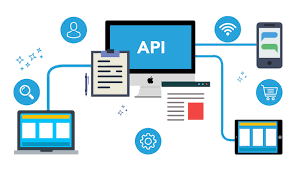
3rd party software integration involves the process of connecting different external software applications to enhance the functionality of an existing system or to ensure multiple systems work cohesively. Essentially, it's about ensuring that various software solutions 'talk' to each other, share data, and streamline workflows.

The Imperative of Integration

  1. Data Consolidation: Businesses often deploy multiple tools to manage tasks like CRM, ERP, marketing, finance, etc. Integration consolidates data from these diverse sources, providing a unified view and enhancing decision-making.
  2. Automation: Integration can automate data flow between systems, eliminating manual data entry, reducing errors, and boosting efficiency.
  3. Enhanced User Experience: Integrated systems often mean users can access all the information and tools they need from a single interface, leading to a smoother user experience.
  4. Cost Savings: Streamlined operations and reduced manual interventions lead to significant cost savings in the long run.

Challenges in 3rd Party Software Integration

  • Compatibility Issues: Not all software is built on the same platforms or using the same languages. Ensuring seamless integration can be a challenge.
  • Data Security: Transferring data between systems poses potential security risks. Ensuring data remains secure during transit and in integrated environments is crucial.
  • Maintenance: Integrated systems might require regular updates and checks to ensure smooth operations, especially if one of the integrated software solutions receives an update or overhaul.

3rd Party Software Integration Services by Mindfire Solutions

Screenshot_7

Standing at the vanguard of IT solutions, Mindfire Solutions has consistently showcased its prowess in 3rd party software integration. Their approach to integration is distinguished by:

  • Tailored Solutions: Recognizing the unique architecture and needs of every business, Mindfire crafts integration solutions tailored to specific challenges and objectives.
  • Expertise Across Platforms: With a deep understanding of various platforms and tools, Mindfire ensures seamless integrations, irrespective of the software's underlying technology.
  • Security-Centric Approach: Mindfire prioritizes data security, employing robust encryption methods and secure protocols to safeguard data during and after integration.
  • End-to-End Services: From assessing the integration needs to post-integration support, Mindfire offers comprehensive services ensuring businesses have a hassle-free experience.

Conclusion

3rd party software integration isn't just a technical endeavor—it's a strategic move towards cohesive and streamlined operations. In a world where software diversity is the norm, integrations ensure businesses can harness the full power of their digital tools. And with industry stalwarts like Mindfire Solutions at the helm, businesses can be assured of integrations that are not just seamless but also future-proof, ensuring sustained efficiency and growth.

Friday, 8 September 2023

Is AI the Key to Personalized Learning? Discovering Adaptive Educational Platforms

The world of education is undergoing a tremendous and remarkable revolution, thanks to the evolution of Artificial Intelligence (AI). AI is transforming how we learn by personalizing the learning, reshaping traditional classrooms, and customizing the concept to each learner's unique needs and preferences.

Screenshot_2

From adaptive learning to advanced analytics, AI unlocks the untapped potential of personalized learning experiences, paving the way to build a more inspiring and inclusive education system. However, educators and learners worldwide view the current excitement about Artificial intelligence with measurable caution.

Is AI in personalized learning an overhyped fad, or are we really on the cusp of a genuine, grand breakthrough? Scroll down to find out!

Personalized Learning - The Need of the Hour

Personalized learning is not a new concept in our educational system. However, it has been made possible by the rise of Artificial Intelligence. In today's era, educators are trying their best to instill personalized learning, as every learner's ability to grasp the concept varies. The emergence of AI creates an effective way to find personalized and pragmatic learning practices.

Artificial intelligence algorithms analyze a wide range of data to identify patterns of every learner and customize the instruction materials. For instance, if an individual struggles to understand a concept, AI will include additional resources and tools to bridge the learning gaps and achieve better outcomes.

The Impact of AI on Personalized Learning

In recent years, Gen Z holds the majority of undergraduates of the era. And they are expected to account for 27% of the global workforce by 2025. It is imperative to highlight how the emergence of AI can personalize individuals' learning from school life to the corporate arena.

Let’s explore how AI can make personalized learning possible in every way!

●       Custom-made courses - A predefined curriculum will not meet the learners' special interests and unique talents. In such circumstances, AI can promote flexibility in deciding the curriculum.  It will earn you the trust of young, talented minds while unlocking their individual, creative thinking.

●       Tech-intelligent tutoring - Intelligent tutoring enabled by AI can proactively interact with students in a personalized way. It will help observe the learners' ability to understand a concept, the pace of learning and more. The approach is on-demand, as it provides up-to-date data and assesses their progress and weak areas.

●       Encourage 'self-advocate' approach- Apart from the academic aspects, AI in personalized learning also promotes the inspiring individual's entrepreneurial spirit. Predictive analysis in AI is a perfect aid for learners who dream to build their own business by giving you the best outcome.

Top Five Adaptive Educational Platforms

Combining AI and adaptive learning will be a promising solution for educational institutions and professional training. The technology paves personalized learning paths, capturing learners' interest and accelerating their learning process.

Nonetheless, using the right tools and platforms for adaptive learning is essential to guarantee consistent improvement in your workforce. Here let’s explore the best 5 adaptive educational platforms and discover the one that fits your unique needs.

●       EdApp

EdApp is an adaptive learning platform with course creation and spaced repetition features. As a course creator, you will have the authority to AI-powered tools called AI Create. It will allow you to generate lessons with just a few clicks and within a short period. Enter the topic you must cover and let the app do it. The app will automatically incorporate the required subtopics, texts, images, and quickest, which can be tweaked with more than 80 templates at your disposal.

●       Knewton

The power of AI and data signifies Knewton, a New York-based adaptive learning platform. The learning analytics of the app enables educators to schedule their sessions easily. The additional information from course materials extracted by the app can efficiently engage the leaders. The data-driven solution of Knewton has formed 23 agreements with primary education companies and schools in the past years, making the system more available to every individual worldwide.

●       Realizeit

Realizeit is an adaptive learning platform that is built to provide one-on-one personalized learning paths for organizations. The self-learning engine of the app will adapt to every learner’s evolving abilities and monitor performance and accuracy, creating personalized learning. It will, in turn, allow educators to modify their pedagogical approach as required, achieving learning objectives in a quantifiable way.

●       Pearson Interactive Labs

With an AI-designed adaptive learning platform by Pearson Interactive Labs, learners actively engage in a genuine scientific setting and get expert feedback from their peers in the industry. The app lets the learners connect with real-world scenarios, enabling them to create a bond between learning and the laboratory. The adaptive learning approach will improve the understanding of science among users, where they are pushed to learn from their mistakes rather than directly getting the right answer.

●       RapL

RapL, a mobile-first adaptive learning platform, was designed and developed in 2018 by a squad of innovators with decades of software expertise and learning solutions. The platform is AI-driven and has highly personalized features that will cater to the distinct learning requirements of the users. It addresses the top challenges in the product life cycle. Ineffective one-time courses, refresher courses, and more. RapL combines adaptive learning and microlearning approaches to build a flexible, engaging learning atmosphere that transforms your workforce.

Wrapping Up!

Adaptive education platforms enabled by AI technologies are the future of our era. Educational institutions and corporations are embarking on these engaging techniques to enhance your training and exceed the learning goals. With the right support and service, you can join this contemporary change and improve your programs, allowing your employees/ learners to change themselves and indulge in their learning.

As we embrace the emergence of AI, it is essential to establish a balance between the human touch and advanced technologies. In the end, we have to encompass the elements of AI and enhance the educational experience without compromising on the expertise and guidance of educators.

At Mindfire Solutions, we offer to build customized and AI-based education platforms, embracing advanced technologies, intuitive interfaces, and interactive learning formats to achieve better learning outcomes. We serve as a one-stop solution for all your learning needs, allowing you to engage learners and educators in all stages. Connect with our experts, and let us introduce you to AI and adaptive learning.