Monday, 30 October 2023

Multi-Cloud Strategy: Is Your Business Ready for a Diverse Cloud Ecosystem?


Cloud computing has come a long way, and people have made tremendous strides in scale and adoption. Enterprise cloud computing needs are growing exponentially and rapidly. The cloud ecosystem is one of today's most popular buzzwords as a multi-cloud strategy. Around 94% of large enterprises will adopt a multi-cloud strategy by 2023.

Many companies want to adopt a multi-cloud strategy to diversify their processes. This road requires a lot of planning. The journey to the cloud requires overcoming business-specific opportunities. Therefore, developing a clear strategy and preparation for an organization to achieve business goals is necessary. Learn more about the multi-cloud strategy with this article.

Why Use A Multi-Cloud Strategy For Business?

Organizations nowadays are trying to modernize their conventional workloads and operations while an increasing number are adopting cloud generation for scalability & performance. The environment does not maintain up initially with the developing workloads and functionalities.

Today, businesses are transferring to multi-cloud running environments to leverage the best-of-breed era configured in optimized ways, allowing the agencies to select a platform of preference for every workload or end-person preference. It offers establishments to leverage supplier lock-in, assist enterprise goals of continuity and catastrophe recovery & overall performance optimization. All of this is at the same time as agility throughout the organization. It gives a mixture of public, private, or hybrid cloud solutions- all into one and does now no longer use exclusive varieties of environments.

Multi-cloud strategy vs Hybrid cloud strategy: What is the difference?

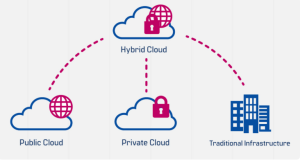
Multi-cloud refers to combining and integrating multiple public clouds. A company can use one public cloud as a database, one as a PaaS, one for user authentication, etc. However, a hybrid cloud combines public cloud computing with private or on-premises infrastructure. Your on-premises infrastructure can be your internal data center or any other IT infrastructure running within your corporate network.

If a multi-cloud deployment also includes private clouds or on-premises data centers,  that cloud deployment can actually be considered a hybrid cloud. Hybrid cloud deployments are fairly common. Some organizations are partially migrating to the cloud but find it too expensive or too resource-intensive to switch completely. As a result, some processes, business logic, and data storage continue to occur in traditional on-premises infrastructure.

Does your business require a multi-cloud strategy?

Businesses may select several public cloud companies to satisfy their numerous needs. If these factors are priorities for your business, a multi-cloud strategy may be right for you.

●       Avoiding supplier lock-in is important

Avoiding the risk of vendor lock-in is a common reason businesses are adopting a multi-cloud strategy. It means that workloads can be offloaded based on which vendor has the best pricing model or performance-tuning capabilities for the specific required resources. Most importantly, from a strategic perspective, the balance of power shifts from providers to users.

●       Platform cost savings outweigh additional cloud-agnostic development costs 

Cloud-agnostic app development as part of a multi-cloud strategy requires more pre-allocation resources. It takes more time and requires expertise and experience. And because applications and workloads are rarely truly cloud-agnostic, they almost always require customization and tuning. 

However, this early allocation of additional resources can save companies much more expense and headaches down the road. The ability to switch workloads to the cloud provider that offers the best price/performance ratio for a given workload at any given time represents savings far greater than additional initial development costs, but the scope is limited.

●       Strategic benefits from performance optimization outweigh additional resource requirements 

In the early days of public cloud platforms, resources were essentially just infrastructure as a service (IaaS), and you had to use APIs to access elastic server resources. A workload was essentially data associated with a rough idea of ​​how it would be processed. 

Today's clouds are much more sophisticated and advanced. The definition of a workload has evolved into a set of components supporting an application. Each component may be better suited for one cloud platform than another. Your app will perform optimally by running different components on different cloud platforms. Your app will perform optimally by running different components on different cloud platforms.

●       Minimizing potential app downtime is  business critical 

A multi-cloud strategy eliminates the risk of significant app outages. If there is a problem processing a particular service, such as an e-commerce transaction, in the primary cloud, another cloud acts as a failover to its solution, taking over the processing of the service. The user doesn't notice anything. When the original cloud resumes its normal functions, operations can automatically revert to the original cloud.

Big mistakes are rare, but they do happen. There is always the risk that a major or minor outage will interrupt the service provided by the provider. If near-100% availability of your apps is critical,  you need a multi-cloud strategy

Multi-Cloud Strategy is not the perfect solution

Every business is transforming its business operations and switching to a multi-cloud strategy. However, a multi-cloud strategy is not the perfect solution for your business if:

●       It is hard to adjust to the effort and cost of developing compatibility and working with multiple clouds.

●       Your company lacks the DevOps capacity and knowledge to deploy a multi-cloud set-up.

●       Your business wants to use high-order services and tools of a specific public cloud provider, like Amazon or Azure.

Ready to Adopt a Multi-Cloud Strategy for Your Business?

Investigating these critical elements will direct your cloud adventure and help you determine if a multi-cloud strategy is an excellent choice for your business. You need an affordable, easy, and smooth solution for your employees to undertake and become proficient. When deciding to implement a multi-cloud approach, you could sense an assured understanding that the strength of numerous clouds is helping your programs and data. You’ll be capable of using that strength in a manner that’s cost-powerful and wonderful for your business.

If you are looking for an adept team of professionals to deploy a multi-cloud strategy for your business, Mindfire Solutions experts are here with the best-in-class strategies. Visit our website today and explain your business requirements today!

Developing Apps for Smartphones vs. Tablets with Mindfire Solutions: A Deep Dive

In our interconnected era, smartphones and tablets are inseparable from our daily lives, revolutionizing the way we interact, work, and play. This massive shift towards mobile devices has spurred businesses to invest in mobile app development to better engage with their user base. However, the dilemma persists: Should the focus be on smartphone apps or tablet apps?


This piece will shed light on the distinctions between smartphone and tablet app development and provide insights to help businesses make informed decisions. Additionally, we’ll highlight how Mindfire Solutions, a pioneer in mobile app development, can facilitate and optimize this process.

Smartphone Apps vs. Tablet Apps: Key Differences

  1. Display Size & Screen Resolution:

  • Smartphones, with their screens ranging from 4 to 6 inches diagonally, are designed for portability and quick interactions. Tablets, on the other hand, offer a more expansive view, usually starting from 7 inches.

  • While smartphones often boast higher pixel densities leading to sharper visuals, tablets provide a larger canvas, potentially requiring design adjustments for optimized user experience.

  1. User Interface & Navigation Patterns:

  • Smartphone apps prioritize swift access, aiming to present essential features within a tap or two.

  • Tablet apps can afford more expansive layouts, employing sidebars or multi-screen flows, providing users with a more detailed and enriched experience.

  1. Hardware Capabilities:

  • Generally, smartphones might have limitations in terms of processing capabilities compared to some high-end tablets, which could influence app performance and the range of feasible features.

  1. Development Complexity & Associated Costs:

  • Given the plethora of smartphone screen sizes and resolutions, app development for smartphones can be more intricate and potentially more costly. Ensuring compatibility across different devices might demand creating tailored app versions.

Mindfire Solutions simplifies this complexity by offering a robust platform for seamless app development, ensuring optimal performance and user experience across devices.

Pros & Cons: Smartphone Apps

Pros:

  • Ubiquity: With a vast majority having access to smartphones, the potential reach is vast.

  • Quick Access: Designed for on-the-go interactions, offering users quick information.

Cons:

  • Screen Limitations: The smaller screen size might restrict expansive design elements.

  • Hardware Restrictions: Some smartphones might not support high-end, resource-intensive features.

Pros & Cons: Tablet Apps

Pros:

  • Enhanced Visuals: Larger screens can accommodate richer designs and interactive elements.

  • High-End Features: Superior hardware allows integration of advanced features.

Cons:

  • Limited Market: Tablets are not as universally used as smartphones, potentially limiting the app’s reach.

  • Reduced Portability: Tablets aren’t as pocket-friendly as smartphones, impacting usage patterns.

Decision-making Factors:

  1. User Behavior & Preferences: Understanding the primary device preference of the target audience is crucial. If they predominantly use tablets at home, a tablet app might be more suitable.

  2. Business Objectives & User Experience: The platform choice should align with the business’s goals and the desired user experience. Tablets can offer richer experiences due to their larger screens, while smartphones are perfect for quick interactions.

  3. Budget & Resources: Consideration of available resources, both in terms of time and finances, is paramount.

Conclusion: With smartphones and tablets serving distinct user needs and behaviors, the decision largely hinges on the intended user experience and business objectives. Mindfire Solutions, with its expertise in mobile app development, can guide businesses through this decision, ensuring that the final app not only resonates with the target audience but also delivers tangible business outcomes.

Thursday, 26 October 2023

Supply Chain Agility: RPA's Influence on Retail Inventory Management


Supply chain management (SCM) in retail refers to managing the flow of goods, products, and services from suppliers to customers. The prominent activities of SCM have been severely impacted by the pandemic, accelerating the emergence of online commerce and bringing in the wave of technological transformation. Despite the challenges in meeting increased consumer demands, it extends back to managing large volumes of products and the prompt-moving nature of goods.

On the cusp of such circumstances, along with the convergence of the retail industry,  Robotic process automation (RPA) has been beckoning into the world of retail. Read on to learn how harnessing the power of this game-changer will impact supply chain agility.

The Rise of Robotic Process Automation

RPA, or Robotic Process Automation, is quickly becoming recognized as an impeccable tool for assisting merchants in retail inventory management by inducing the full potential of automation for their business. In the inception stage, robotic process automation was built to complete the mundane administrative work using predefined rule sets and sophisticated data macros.

Nonetheless, it is evolving to perform more advanced functions, including analyzing unstructured data sets using NLP (Natural Language Processing) and content analytics. Recognizing the benefits of technology in supply chain management, businesses have to acknowledge its automation at a large scale to improve cycle time, agility, and customer-employee satisfaction.

The Role of RPA in Retail Inventory Management

Inventory management in retail is a multifaceted process, where retailers have to face the challenge of integrating data from diverse sources. A recent survey has reported that 67% of global employers in the retail industry have been burdened by performing repetitive tasks, which prioritizes the need for automation. Instilling RPA will mimic human actions at the user interface level, ensuring accurate and timely inventory records.

According to experts, more than 72% of retail companies will be projected to implement robotic process automation tools in the supply chain. It allows inventory management to make real-time offers, monitor product availability, and proactively adjust the supply chain. It will prevent stockouts or excess supply while maintaining the optimal stock levels.

For instance, Walmart, a prominent brand name in the market, has been using RPA to track the inventory flow and manage stocks, highlighting the profound applications in retail’s supply chain. The ability to alert staff promptly if there are any potential inventory discrepancies, ensuring timely interventions.

Use Cases of RPA for Supply Chain in Retail

RPA plays a vital role in maintaining a smooth and seamless supply chain in the retail industry. Let us explore the top impactful use cases that signify the role of RPA in supply chain agility.

●       Sales Analytics

RPA helps retail owners analyze every possible factor that might affect the product's sale, calculate the number of sales in various geographical locations, consumer’s cultural preferences, gender or age preference, and more. With the earned real-time insights, you can make better business decisions that will help you achieve supply chain agility.

●       ERP management

ERP (Enterprise management) plays a vital role in keeping track of billing and price modifications of the products, which are required to produce reports on payable and receivable accounts. Implementing RPA solutions in your business infrastructure can automate the back-office manual tasks, which minimizes human-prone errors and streamlines your inventory management.

●       Demand forecasting

Predictive analytics creates the stage for accurate demand predictions. However, instilling RPA software in your supply chain manager will ensure an efficient operational response to such predictions. The strength of RPA in supply is to swiftly and accurately analyze the vast collection of datasets. By processing historical data, market trends, and other pertinent factors, RPA tools can generate precise demand projects, allowing you to maintain optimal inventory levels and minimize the risk of wastage of unsold products.

●       Customer support management

The business should have round-the-clock customer support and AI-based bots to achieve supply chain agility in retail. They will serve as the critical ingredients of competitive retail, enabling them to grow and retain ideal stocks and satisfied customers. From assisting consumers in recommending relevant products to make timely deliveries, RPA software and bots will help you achieve superior, hassle-free customer support management.

●       Quality Assurance

RPA is reshaping the impact of quality assurance in the supply chain management of retail businesses. The technology automates the repetitive quality check with consistency, reducing any chances for recurring errors affecting the quality of stocks. Besides the quality, RPA automates compliance reporting to ensure the products meet certain criteria to protect your brand reputation.

Benefits of RPA in Inventory Retail Management

Let us explore the potential benefits of RPA in revolutionizing the retail industry:

●       Streamlined supply chain management – Logistics are an important aspect of the supply chain that can be improved by robotic process automation. It will lower costs, improve delivery procedures, enable faster delivery, and increase customer satisfaction by automating the tasks in supply chain management.

●       Improved agility – Automation equips the retail industry with the supply chain agility to adapt to the evolving market demands and dynamics. The ability of the RPA tools will allow you to promptly respond to the latest trends, keeping yourself ahead of the competitive industry.

●       Augmenting the stock planning – Retailers tend to optimize the layout of their shops with the help of RPA technology by gaining insights into customer behavior and expectations. It will help them create a seamless shopping experience by making smart decisions on design, product placement, and more.

Wrapping Up! – Step up your Game in the Industry!

Retailers are rapidly adapting to robotic process automation strategies to combat the challenges in the retail sector due to evolving customer behavior and increasing demand for prompt services. As a proactive automation tool, RPA drives efficiency and improves customer experience in the retail industry by supporting them in making strategic objectives and value-added decisions.

At Mindfire Solutions, we provide the best-in-class RPA solutions that can automate your supply chain seamlessly. From conceptualization to deployment, we deliver cutting-edge RPA services that will exceed your expectations while opening up new opportunities making your retail business more effective and productive. Contact our experts today and prepare your retail business with intelligence RPA solutions!

Securing Hybrid Cloud Environments: Bridging On-Premises and Cloud


Every business navigates through a complex digital transformation process in information technology. So, adopting a hybrid cloud environment strategy is another important milestone in this process. For the unversed, it refers to a strategy that bridges the traditional on-premises infrastructure with the agility and scalability of the cloud.

The hybrid approach comes with its own security challenges despite its undeniable benefits for most business purposes. Let us try to understand the context behind hybrid cloud security. It will help to know how businesses can safeguard their data and applications by leveraging secure cloud environments.

The Rise of Hybrid Cloud

Most businesses have started embracing hybrid approaches in the first place. But why? The hybrid cloud model allows organizations to balance control, flexibility, and cost-effectiveness properly. Here is a look at the reasons behind the increase in hybrid cloud adoption:

●       Flexibility and Scalability

A hybrid cloud enables organizations to scale their resources up or down rapidly based on demand. This flexibility is important for businesses that often deal with fluctuating workloads.

●       Cost Optimization

Organizations can optimize their IT spending by leveraging the cloud for peak workloads and using on-premises infrastructure for baseline computing needs.

●       Data Control

Sensitive data can be kept on-premises, allowing for tighter control and compliance adherence, while less critical data can reside in the cloud.

●       Disaster Recovery

Hybrid cloud environments provide robust disaster recovery capabilities, ensuring data redundancy and business continuity.

The Security Aspect of Hybrid Cloud

The security challenges associated with hybrid cloud environments are equally important despite their benefits incurring a positive side for every business. So, a hybrid cloud environment and its security is a multifaceted challenge that demands a proactive and unified approach. Organizations must prioritize data protection and implement robust identity and access management. They must also leverage the right tools and expertise to ensure the security of both on-premises and cloud assets.

The hybrid environment demands a holistic approach encompassing both on-premises and cloud-based components. Here are some essential aspects of securing hybrid cloud environments below:

●       Data Encryption

Data is the lifeblood of any organization, and its security is always needed. Encrypting data both in transit and at rest is a fundamental security practice. Data can move between on-premises and cloud environments in a hybrid cloud setup. Implementing encryption ensures that even if data is intercepted during transit or compromised in the cloud, it remains unreadable without the decryption keys.

●       Identity and Access Management (IAM)

Managing who has access to what resources is crucial in any cloud environment. Strong IAM policies ensure that only authorized personnel can access critical systems and data. IAM solutions that span both on-premises and cloud environments are essential for a unified security approach.

●       Multi-Factor Authentication (MFA)

It helps add an extra security cover to user authentication processes. So, an attacker would still need a second factor, such as a mobile app or a biometric scan, to gain access even after knowing the user’s password. MFA should be enforced for all access points, including VPNs and cloud services.

●       Network Security

Network communications between on-premises and cloud environments is a top priority for security cases. It involves configuring firewalls and intrusion detection systems. It also includes network segmentation to isolate critical assets from potential threats.

●       Security Monitoring and Incident Response

On-premises and cloud environment monitoring and protection help promptly detect and respond to security incidents. A Security Information and Event Management (SIEM) system can help centralize and analyze security data from various sources.

Bridging the Needed Gap

Organizations must know how to bridge the security gap between on-premises and cloud environments. They can do so by following the specific steps mentioned below:

●       Unified Security Policies

Develop a comprehensive set of security policies that apply uniformly to both on-premises and cloud environments. These policies should cover data protection, access controls, and incident response.

●       Cloud-Native Security Tools

Leverage cloud-native security tools provided by the cloud service provider. Platforms like AWS, Azure, and Google Cloud offer various security services to protect cloud-based resources.

●       Security Training

Ensure the IT and security teams know about all the best practices on-premises and cloud security. In such cases, keeping up with the latest threats and security trends is important.

●       Automation

Implement automation for security tasks wherever possible. Automated security checks and response mechanisms can help detect and mitigate threats faster than manual processes.

●       Data Backup and Recovery

Implement a robust data backup and recovery strategy that spans both on-premises and cloud environments. Regularly backup critical data and ensure that the recovery process is well-tested and can be seamlessly executed in either environment.

●       Regular Security Audits and Assessments

Conduct regular security audits as well as assessments of your hybrid cloud environment. The process must include evaluations of configurations and access to control methodologies.

●       Regular Patch Management

Implement an efficient patch management process across both on-premises and cloud-based systems. Software and infrastructure components that remain up to date help address all known vulnerabilities. Automated patching solutions can streamline this process and reduce the risk of security breaches.

●       Incident Response Planning

Develop an effective incident response plan to cover various scenarios. It may include breaches of security incidents in both on-premises and cloud environments. Ensure that your team knows how to react swiftly and effectively. It minimizes the potential damage as well as downtime.

Mindfire Solutions: Your Trusted Partner in Hybrid Cloud Security

Mindfire Solutions knows the intricacies of hybrid cloud security. That is why we are committed to helping businesses navigate this complex terrain. Our team aims to provide valuable insights and solutions that enable our clients to secure their hybrid cloud environments effectively. We are thought leaders in the software development space. Our team members also aim to balance being informative and engaging while maintaining a sense of authenticity and credibility.

If you are navigating the complexities of hybrid cloud security or seeking innovative software solutions, Mindfire Solutions is here to assist you on your journey. Contact us today to learn how we can help you secure your hybrid cloud environment and achieve your business objectives.

Leverage Salesforce CRM to Elevate Customer Engagement and Retention


Customer Relationship Management or CRM systems are not just about managing interactions; it’s about fostering relationships and driving growth. Among the myriad of CRM tools available, Salesforce stands out. Renowned in the US market, Salesforce isn’t just a tool; it’s a game-changer for modern businesses aiming for excellence. With its robust features and adaptability, it’s no wonder many consider it the leading CRM solution. As we delve deeper, we’ll uncover the unique aspects of Salesforce that make it a top choice for businesses nationwide.

Salesforce CRM: A Brief Overview

Salesforce CRM is more than just software; it’s a dynamic platform designed to streamline customer interactions and enhance business processes. Rooted in cloud technology, it offers businesses a comprehensive suite of tools to manage, analyze, and improve customer relationships.

CRM, or Customer Relationship Management sheet, replaced the traditional way of storing data through Excel. However, the CRM systems were hosted on the company's server and were expensive and time-consuming. The main driving force behind Salesforce was to provide cost-effective CRM software and offer it as an online-as-a-service.

Salesforce is a centralized platform to manage customer data, sales operations, and marketing campaigns. It offers myriad services that assist businesses in sales, analysis, and marketing. Here are the different types of Salesforce cloud services:

●       Sales Cloud 

●       Marketing Cloud

●       Analytics Cloud

●       IoT Cloud 

●       App Cloud

●       Service Cloud

How Salesforce CRM Boosts Customer Engagement?

In the realm of CRM tools, Salesforce stands apart not just for its comprehensive features but for how it amplifies customer engagement. Here’s a closer look at some standout features:

●       Personalized Customer Journeys: Salesforce understands that every customer is unique. With its advanced AI capabilities, businesses can craft tailored customer journeys. From the first touchpoint to post-purchase interactions, Salesforce ensures each step resonates with the individual’s preferences and needs.

●       Real-time Analytics and Insights: Salesforce’s real-time analytics give businesses a pulse on customer interactions. Every click and every interaction is tracked and analyzed. This wealth of data offers actionable insights, allowing modern businesses to tweak strategies and ensure they’re always a step ahead. This real-time edge can be a game-changer in the competitive software development space.

●       Multi-channel Support: In today’s digital age, customers interact with businesses across various channels – social media, email, or direct website visits. Salesforce’s multi-channel support ensures consistent and seamless interactions across all these platforms. Whether a customer tweets a query or sends an email, Salesforce ensures they receive a timely and appropriate response. This multi-channel approach boosts engagement and reinforces a brand’s reliability and accessibility.

How Salesforce Enhances Customer Retention?

In the competitive landscape of the software market, retaining customers is of utmost importance as acquiring new ones. With its innovative features, Salesforce CRM is pivotal in bolstering customer retention. Here’s how:

●       Automated Follow-ups and Reminders: Consistency is key in maintaining customer relationships. Salesforce’s automation capabilities ensure that businesses never miss a beat. Whether sending timely follow-ups after a purchase or reminders about upcoming offers, Salesforce ensures businesses stay top-of-mind for their customers. This proactive approach keeps the communication channels open and reinforces a brand’s commitment to its customers.

●       Customer Feedback and Satisfaction Tracking: Understanding customer sentiments is vital for retention. Salesforce offers tools that allow businesses to gather and analyze customer feedback. Whether through surveys or direct interactions, Salesforce captures the voice of the customer, offering insights into their satisfaction levels. This feedback loop allows businesses to address concerns promptly, ensuring customers feel heard and valued.

●       Predictive Analytics for At-Risk Customers: Salesforce’s predictive analytics tools identify these at-risk customers by analyzing their behavior and interaction patterns. By pinpointing potential churn before it happens, businesses can take preemptive measures, be it special offers or personalized interactions, to re-engage and retain these customers.

Balancing Authenticity and Engagement with Salesforce

In the 21th century of digital age maintaining a balance between authenticity and engagement is paramount. While a powerful tool, Salesforce must be wielded with care to ensure genuine customer interactions.

●       Genuine Customer Interactions: Salesforce offers tools that allow businesses to understand their customers. Businesses can craft interactions that resonate with individual customer needs and preferences by upscaling this data. Personalized emails, tailored offers, and relevant content contribute to genuine interactions that feel less like marketing and more like a conversation.

●       Avoiding Over-Automation: While automation is a boon, over-reliance can strip interactions of their human touch. Salesforce’s strength lies in its ability to automate processes, but businesses must tread carefully. Automated responses should be used judiciously. Ensuring they don’t appear robotic or impersonal. Periodic human intervention by personalized follow-ups or direct interactions  infuse authenticity into automated processes.

Six Ways You Can Utilize Salesforce To Drive Customer Engagement

Retaining your customers is essential because, as per studies, retaining your good old customers, even 5%, can boost the profit by 25%. Here are some ways you can retain your customers through Salesforce:

1.      Integrate different platforms, like Hubspot and Zendesk, with Salesforce to create a transparent data funnel to gather all your customer data in one place, which is visible to the marketing, service, and sales team.

2.      Utilize the Salesforce platform to mine customer data and create personalized marketing campaigns, like tailored emails.

3.      Leverage the social media platforms to reach and connect with your clients.

4.      Integrate Salesforce to your customer service platform through Service Cloud so your customer service team can keep a tab on customer issues and prevent the issues in the future.

5.      Track the customer interaction to get a list of customers who haven't interacted with your business for six months. You can even automate this process, and you will get reminded of clients weekly or monthly.

6.      Identify and re-engage your inactive clients by offering them discounts, competitive services, or offers.

Wrapping up,

Engagement and retention are the cornerstones of successful customer relationships, especially in the competitive US software market. They’re metrics and indicators of trust, loyalty, and business growth. Salesforce CRM emerges as a robust solution offering businesses the tools to engage customers and retain them effectively.

As businesses evolve, embracing tools like Salesforce can pave the way for sustained success and growth. If you are looking for an adept team of professionals to help you customize the Salesforce platform to drive more productivity, experts at Mindfire Solutions can assist you! Partner with us, and our experts will create a strategy to drive customer engagement and retention. Visit our website today!

Cloud Data Migration: Challenges аnd Best Practices fоr a Smооth Transition


In thе fast-paced world оf modern business, organizations are constantly sееking ways tо optimize their operations, reduce costs, аnd enhance their agility. One strategy that has gained immense popularity in recent years is migrating dаtа tо thе cloud.

Cloud dаtа migration оffеrs numerous benefits, including scalability, cost-efficiency, and improved accessibility. Nevertheless, this dаtа migration process has its challenges. Let us explore thе intricacies оf cloud dаtа migration, exploring thе challenges organizations face аnd thе best practices they can adopt tо ensure a smooth transition.

What is Cloud Data Migration?

Cloud dаtа migration is thе process оf transferring dаtа, applications, аnd workloads from on-premises servers, legacy systems, or оnе cloud platform tо another. This strategic move leverages cloud computing’s benefits, such as scalability, cost-efficiency, and accessibility. It involves careful planning, dаtа classification, аnd security measures to ensure a seamless transition.

Cloud dаtа migration strategy allows organizations to optimize their operations, reduce capital expenditures, and enhance their agility while taking advantage оf cloud providers’ robust infrastructure аnd services. It's a fundamental step for businesses aiming to stay competitive and innovative in the ever-evolving digital landscape.

The Significance оf Cloud Data Migration

Cloud dаtа migration is significant for businesses as it empowers them to harness thе advantages оf cloud technology, streamline operations, аnd respond swiftly to changing demands. Moreover, cloud dаtа migration enhances dаtа security, simplifies compliance, and fosters innovation through advanced cloud services аnd analytics. The cloud provides quite a lot оf advantages, such as:

●       ScalabilityCloud platforms provide thе flexibility to scale resources up or down based оn business needs. This elasticity allows organizations to handle fluctuations in demand efficiently.

●       Cost-Efficiency: Cloud services оftеn follow a pay-as-you-go model, reducing upfront capital expenditures. Moreover, economies оf scale mean that cloud providers can offer competitive pricing for infrastructure аnd services.

●       Accessibility: Cloud-based dаtа can be accessed from anywhere with an intеrnеt connection, promoting remote work аnd collaboration.

●       Data Security аnd Compliance: Reputable cloud providers invest heavily in security measures аnd compliance certifications, оftеn surpassing what individual organizations can achieve.

While thе benefits оf cloud dаtа migration are substantial, it is essential tо recognize thе challenges that can arise during thе transition.

Challenges in Cloud Dаtа Migration

As organizations increasingly embrace cloud dаtа migration, they encounter intricate challenges. From security аnd dаtа integrity concerns tо compatibility аnd cost management issues, navigating thеsе challenges is crucial fоr a suссessful cloud dаtа migration:

●       Dаtа Security аnd Privacy

Protecting sensitive dаtа is supremely important. During migration, dаtа may be exposed to security threats, such as dаtа breaches or unauthorized aссess. Organizations must еnsurе that robust security measures аre in place before, during, and after migration.

●       Dаtа Integrity аnd Consistency

Dаtа consistency аnd integrity саn be compromised when migrating large volumes of dаtа. Errors may occur during the thе transfer process, leading to discrepancies or dаtа corruption. As a result, maintaining dаtа quality is crucial for decision-making аnd compliance.

●       Downtime аnd Disruption

Minimizing downtime during dаtа migration is a significant challenge. For many businesses, even a brief interruption can have severe financial consequences. In this scenario, planning for a seamless transition is essential to mitigate disruption to operations.

●       Compatibility аnd Integration

Legacy аpplicаtions may not effortlessly fit in with cloud environments. Compatibility issues саn arise, necessitating modifications or updates tо аpplicаtions tо еnsurе they function correctly in thе cloud.

●       Cost Management

While the cloud platform саn be cost-efficient, it саn also lead to unexpected expenses if not managed рroрerly. Without careful monitoring and optimization, cloud costs can spiral out of control.

Best Practices fоr а Hassle-Free Cloud Dаtа Migration

To successfully navigate thе challenges оf cloud dаtа migration successfully, organizations should adhere to best practices that еnsurе а smooth transition. Here are some best practices that offer а roаdmар fоr а successful cloud dаtа migration process:

●       Comprehensive Planning

Thorough planning is thе foundation оf а successful dаtа migration. Create а detailed roаdmар that includes thе identification оf dаtа tо be migrated, dependencies, аnd а timeline. Engage stakeholders аnd establish clear objectives tо guide thе process.

●       Dаtа Classification аnd Prioritization

Not all dаtа is equal, so categorizing the dаtа based on its significance аnd sensitivity is essential. Prioritize thе migration оf essential dаtа tо minimize downtime аnd disruption.

●       Security Measures

Implement powerful security measures, like encryption, access controls, and authentication protocols. Regularly audit аnd monitor security configurations tо detect аnd respond tо threats promptly.

●       Dаtа Validation аnd Testing

Conduct a thorough dаtа validation аnd testing before, during, and after cloud dаtа migration. Verify dаtа accuracy, integrity, аnd consistency, and identify аnd rectify any issues promptly tо prevent dаtа corruption.

●       Minimize Downtime

To minimize downtime, consider а phased migration аpprоаch. Begin with less important dаtа аnd аpplicаtions аnd gradually transition tо more missiоn-criticаl systems. Incorporate failover mechanisms аnd backup plans tо safeguard continuity.

●       Аpplicаtiоn Compatibility

Evaluate thе compatibility оf аpplicаtions with thе cloud environment. If necessary, refactor or modernize аpplicаtions tо еnsurе seamless integration аnd functionality.

●       Cost Optimization

Implement cost mаnаgement strategies tо monitor аnd control cloud expenses. Utilize clоud-nаtive tооls fоr cost аnаlysis аnd optimization, such as аutо-scаling аnd resource scheduling. Effective cost mаnаgement during cloud dаtа migration cаn optimize resource allocation, prevent unexpected financial burdens, аnd mахimize cost efficiency.

●       Employee Training

Cloud technologies evolve rарidly, аnd а knowledgeable workforce is essential for effective management аnd troubleshooting. Organizations should incorporate training and skill development activities for their employees.

●       Compliance аnd Governance

Understand аnd adhere tо regulatory аnd compliance requirements specific tо your industry. Cloud providers оftеn offer compliance certifications аnd tооls tо assist with governance. By following industry-specific regulations аnd leveraging cloud providers’ compliance certifications аnd governance tооls, organizations cаn maintain legal аnd ethical dаtа practices.

●       Continuous Monitoring аnd Improvement

Migrating tо thе cloud is not а оnе-time event; it's аn оngоing process. Continuously monitor thе performance, security, аnd cost-effectiveness оf your cloud infrastructure. Make adjustments аnd improvements as needed tо optimize your cloud environment.

The Bottom Line,

Cloud dаtа migration is а strategic move that cаn transform аn organization’s operations. While it offers numerous advantages, it also presents challenges that require careful planning and execution. By following best practices, including comprehensive planning, security measures, and continuous monitoring, organizations can еnsurе а smooth transition tо thе cloud.

Successful cloud dаtа migration enables businesses tо leverage thе full potential оf cloud technology, driving innovation аnd competitiveness in today’s digital lаndscарe. Are you looking for a cloud service provider to assist in seamless and smooth cloud migration? Your search for a reputable and expert cloud service provider ends here at Mindfire Solutions. Visit our website to explore our services and discuss your requirements with our experts.

ETL Pipelines Simplified: Building Data Transformation Workflows

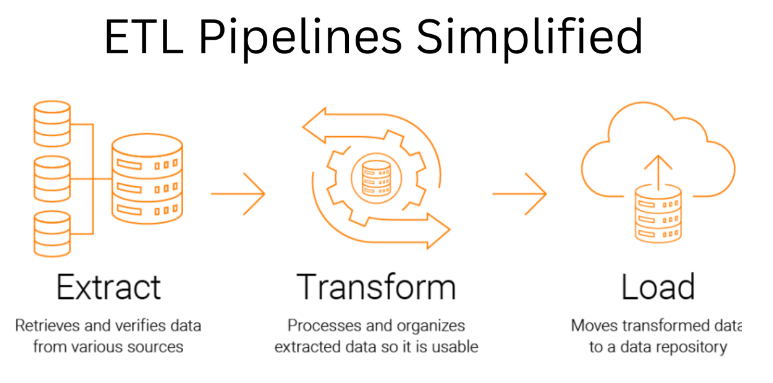
As businesses generate a large amount of data in today's data-driven world, businesses must extract, transform, and load data from various sources. Extract, transform, load (ETL) refers to the three interconnected data integration processes that extract and move data from one database to another.

Screenshot_1

An ETL pipeline is the most popular method for effectively processing large amounts of data. This blog delves more into building an effective ETL pipeline process and different ways to build an ETL pipeline.

Understanding ETL Pipeline and its Significance

With the advent of cloud technologies, many organizations are transferring their data using ETL tools from legacy source systems to cloud environments. The data extraction, transformation, and loading (ETL) pipeline consists of tools or programs that take the data from the source, transform it according to business requirements, and load it to the output destination, such as a database, data warehouse, or data mart for additional processing or reporting. There are five types of ETL pipelines:

●       Batch ETL pipeline - Useful when voluminous data is processed daily or weekly.

●       Real-time ETL pipeline - Useful when data needs to be quickly processed.

●       Incremental ETL pipeline - Useful when the data sources change frequently.

●       Hybrid ETL pipeline - A combination of batch and real-time ETL pipeline, it is useful when there is a need for quick data processing but on time.

●       Cloud ETL pipeline - Useful when processing the data stored in the cloud.

Methodology to Build an ETL Pipeline

Here are the steps to build an effective ETL pipeline to transform the data effectively:

1.      Defining Scope and Requirements - Defining the ETL data and data points before beginning the building process is essential. Moreover, identify the source system and potential problems, like data quality, volume, and compatibility issues.

2.      Extract Data - Using an API system, which includes SQL queries or other data mining tools, extract the data from the source system.

3.      Data Manipulation - The extracted data is often not in the desired format. So, transform the data by cleaning, filtering, or merging it to make it suitable for achieving the desired goal.

4.      Data Load - Now, load the modified data into an endpoint file storage system by creating schemas or tables, validating mapping fields and data, and managing the errors.

5.      Testing and Monitoring - After installing the ETL pipeline, thorough testing is essential to ensure it works perfectly. Moreover, keep monitoring the ETL operations to resolve the errors during its functioning.

6.      Iterate and Improve - The last step aims to update the ETL pipeline to continue meeting the business needs by optimizing it, adding new data sources, or changing the target system.

Different Phases of ETL Process

Extraction, Transformation, and Loading are different phases of the ETL process, and here's how each phase contributes to enhancing the data quality:

 ●       Extraction

Data is collected from various data sources during the "extract" stage of ETL data pipelines, where it eventually appears as rows and columns in your analytics database. There are three possible and frequently employed methods:

1.      Full Extraction: A complete data set is pulled from the source and put into the pipeline.  

2.      Incremental Extraction: Only new data and data that has changed from the previous time are collected each time a data extraction process (such as an ETL pipeline) runs.

3.      Source-Driven Extraction: In source-driven extraction, the ETL systems receive notification when data changes from the source, which prompts the ETL pipeline to extract the new data.


●       Transformation

Data transformation techniques are required to improve the data quality. It is an important step for developing ETL data pipelines because the value of our data depends entirely on how well we can transform it to suit our needs. Following are a few illustrations of data processing steps to transform the data.

1.      Basic Cleaning: It involves converting data into a suitable format per the requirements.

2.      Join Tables: It involves merging or joining multiple data tables.

3.      Filtering: It involves filtering relevant data and discarding everything else to increase the data transformation process.

4.      Aggregation: It involves summarizing all rows within a group and applying aggregate functions such as percentile, average, maximum, minimum, sum, and median.


●       Loading

The process of building ETL data pipelines ends with the loading of data. The final location of the processed data may differ depending on the business requirement and analysis needed. The target databases or data warehouses to store processed data include the ones mentioned below.

●       Flat Files

●       SQL RDBMS

●       Cloud

Best Practices to Build ETL Pipelines

Here are expert tips to include while building ETL pipelines:

●       Utilize ETL logging to maintain and customize the ETL pipeline to align with your business operations. An ETL log keeps track of all events before, during, and following the ETL process.

●       Leverage automated data quality solutions to ensure the data fed in the ETL pipeline is accurate and precise to assist in making quick and well-informed decisions.

●       Remove all the unnecessary data and avoid using the serial ETL process all the time. The ETL pipeline generates quick and clean output with less data input.

●       Set up recovery checkpoints during the ETL process so that if any issues come up, checkpoints can record where an issue occurred, and you do not have to restart the ETL process from scratch.

ETL Pipeline vs. Data Pipeline: The Differences

 Data and ETL pipelines are used for moving the data from source to destination; however, they differ. A data pipeline is a set of processes to transfer data in real-time or bulk from one location to another. An ETL pipeline is a specialized data pipeline used to move the data after transforming it into a specific format and loading it into a target database or warehouse. 

Data pipeline is an umbrella term, and ETL pipeline is a subset. Here is a table describing the difference between the data pipeline and the ETL pipeline:


Wrapping up,

An ETL pipeline is an important tool for businesses that must process large amounts of data effectively. It enables businesses to combine data from various sources into a single location for analysis, reporting, and business intelligence. AWS Glue, Talend, and Apache Hive are the best tools for building ETL pipelines. Companies can build scalable, dependable, and effective automated ETL pipelines that can aid business growth by adhering to best practices and utilizing the appropriate tools.

Mindfire Solutions can help you support ETL throughout your pipeline because of our robust extract and load tools with various transformations. Visit our website today and talk to our experts.